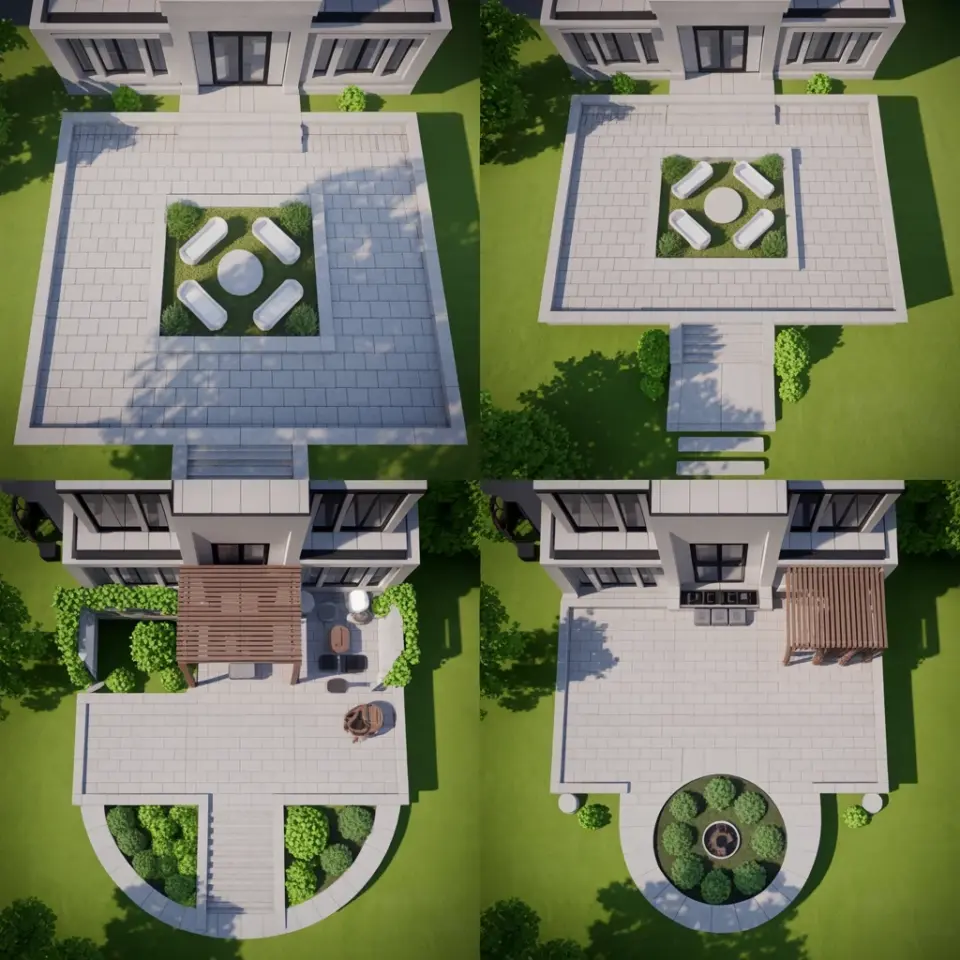
If you have ever dreamed of bringing the outside in without sacrificing comfort, you are in the right place. Garden room extensions ideas have become one of my favorite ways to add usable square footage to a home while making the backyard feel like a natural part of daily life. Think of a garden room as a hybrid: it is not quite a full sunroom, not quite a screened porch, but a glassy, airy space that connects your living area to the patio through sliding or bi-fold doors. The whole point is to blur the line between indoors and outdoors, and the right patio furniture turns that empty shell into a spot where you actually want to spend your morning coffee or host a casual dinner. Whether you are starting from scratch or updating an existing bump-out, this guide walks you through the essentials with zero assumed experience.
Understanding the Basics of a Garden Room Extension for Beginners
A garden room extension is essentially a lightweight addition to your home that uses lots of glass and often a solid roof to create a bright, sheltered space. Unlike a traditional conservatory, it usually has better insulation and a more modern aesthetic. And unlike a regular room addition, it relies heavily on its connection to the patio and garden.
You do not need to be a builder to understand the key parts: a foundation (often a concrete slab or raised timber base), a frame (aluminum, wood, or uPVC), and large doors that open fully to the outside. The beauty is that once the structure is up, you get to play decorator. The furniture you choose will define whether the space feels like an extension of your living room or a separate outdoor lounge.
For a beginner, the most important rule is to plan the layout before buying anything. Measure the floor area and the door opening width so you know how big your furniture can be. A common mistake is cramming a full dining set into a narrow room, blocking the view and the flow. Start simple.
Choosing the Right Patio Furniture for Indoor Outdoor Living
Because your garden room sits halfway between indoors and out, the furniture needs to handle occasional humidity, direct sunlight, and maybe a splash from the rain if you leave the doors open. That is where patio furniture designed for indoor outdoor living comes in. Look for materials like powder-coated aluminum, all-weather wicker, teak, or poly lumber. They resist fading and mildew without looking cheap.
- Seating: A two-seater sofa or a pair of armchairs in a light neutral color. Add cushions with removable, machine-washable covers.
- Tables: A slim console table for drinks behind the sofa, or a round bistro table if space is tight. Avoid glass tops if you have kids or pets.
- Storage: An outdoor-rated bench with a lid that hides throw blankets or gardening tools.
- Accent pieces: A small side table or a stack of floor cushions for extra seating when friends come over.
I personally love the look of natural teak because it develops a silver patina over time, but it does need annual oiling. If you want zero maintenance, go for a dark aluminum frame with synthetic wicker. You can find decent sets at stores like IKEA or Wayfair without breaking the bank.
Creating a Seamless Indoor Outdoor Flow
The magic of a garden room extension is how it makes the inside and outside feel like one space. To achieve that, focus on three things: flooring, color palette, and sight lines. For flooring, use the same tiles or a very similar material inside the extension and on the patio. Large-format porcelain tiles that look like stone work perfectly because they are durable and easy to clean.
Choose a color scheme that carries from your home’s interior into the garden room and then onto the patio furniture. If your living room has soft gray and white, stick to those tones for the walls and curtains in the extension, then pick patio cushions and rugs in the same palette. This visual continuity tricks the eye into seeing one big room instead of two separate areas.
Another trick is to place a large mirror on the wall opposite the patio doors. It reflects the greenery outside and doubles the sense of space. Even on a gray day, the room feels bright and open.
Decorating Your Garden Room Extension on a Budget
You do not need custom cabinetry or designer furniture to make a garden room look polished. Some of the best budget patio decor ideas come from repurposing what you already own or shopping secondhand. Start with paint: a fresh coat of white or pale sage on the walls instantly brightens the room. Then layer in texture with a coir doormat, a cotton throw, and a few woven baskets for storage.
For furniture, check Facebook Marketplace or local estate sales for a vintage rattan armchair or a solid wood coffee table. A little sanding and a coat of outdoor varnish can transform a beat-up find into something charming. Plants are the cheapest way to add life. Place a tall fiddle-leaf fig near the door and a row of succulents on the windowsill.
Do not forget about textiles. Outdoor-rated curtains in a sheer linen blend soften the glass walls and provide privacy without blocking light. You can find them at home discount stores for under thirty dollars a panel. Mixing high and low pieces gives the room personality without spending a fortune.
Layout Ideas for Relaxing and Entertaining
A functional outdoor living space needs clear zones, even if the room is small. Divide the floor into two areas: a lounging spot with a sofa and side tables, and a dining area with a small table and chairs. If you only have room for one function, decide what you will use most. For me, a comfy seating area wins because I spend more time reading than eating.
Position the sofa so it faces the garden, not the wall. That way you watch birds or enjoy the sunset while you relax. Leave at least three feet of walking space between the furniture and the doors so you can move freely. In a long, narrow room, place the dining table near the far end and the seating closer to the house entrance.
If you entertain often, consider a bench that doubles as a coffee table. You can pull it out for extra seating or push it back for a clear path. A couple of folding chairs stored behind a screen give you flexibility for larger gatherings without cluttering the everyday look.
Adding Warmth and Ambiance with Lighting and Textiles
Once the sun goes down, your garden room extension can feel cold and dark if you rely only on overhead lights. String lights are my go to because they are inexpensive and instantly cozy. Hang them along the ceiling beams or drape them across the top of the windows. Warm white bulbs, not cool white, create a soft glow.
For a more layered look, add a floor lamp near the reading chair and a couple of battery-operated lanterns on the side tables. Solar-powered fairy lights in a jar on the patio itself extend the ambiance outside. Textiles like a thick wool rug and a few knitted throws make the space feel like an actual room, not a greenhouse. Choose rugs made from polypropylene so they resist moisture and can be hosed off if needed.
For the patio doors, consider cellular shades that pull down from the top to block glare or provide privacy while still letting light in near the bottom. They are easy to install and come in various widths to fit standard door sizes.
Low Maintenance Plants to Bring Life Inside Your Extension
A garden room without plants feels like a party without music. But not every plant thrives in a space that gets bright sun during the day and cooler temperatures at night. Go with easy plants for patio extensions: snake plants, ZZ plants, pothos, and philodendrons. They tolerate low light and irregular watering, making them perfect for beginners.
Place a tall snake plant in a ceramic pot near the corner, and hang a pothos from a macrame hanger by the window. For the patio side, use terracotta pots with succulents or lavender. Lavender smells amazing and attracts bees, which is a lovely touch when the doors are open. Group plants in odd numbers (three or five) for a natural look. Water them only when the soil feels dry about an inch down, and wipe the leaves occasionally to remove dust.
If you worry about forgetting to water, set a weekly reminder on your phone. Most houseplants are more forgiving than people think.
Starting a garden room extension project might feel intimidating, but breaking it down into small decisions makes it manageable. Pick a foundation, choose furniture that can handle a little weather, and keep the colors simple. Before you know it, you will have a cozy spot that feels twice as big as the actual square footage. Grab a notebook and sketch your layout this weekend. That first cup of coffee in your new space will be worth every step.
#GardenRoomExtensions #PatioFurnitureDesigns #OutdoorLivingSpace #PatioDecorIdeas #HomeExtension
Leave a Comment